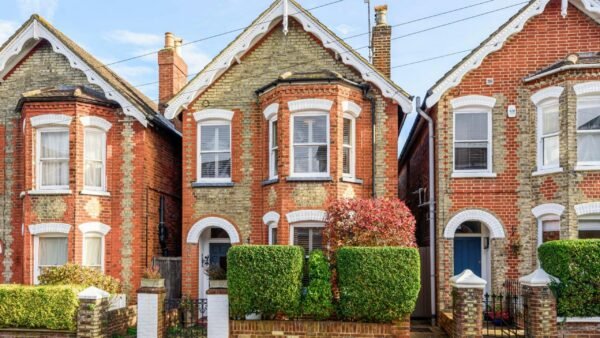
Property value is shaped by a combination of fixed factors, such as location and size, and variable ones, including condition, energy efficiency, and layout. While you cannot change where your home sits, you can influence how it is presented, maintained, and improved. Understanding which factors carry the most weight helps you prioritise before selling.
- Location, including transport links, school catchments and neighbourhood reputation, remains the primary driver of buyer demand and price.
- Size and layout matter: adding usable floorspace or reconfiguring for open plan living and home working boosts buyer perception and value.
- Condition and energy efficiency are the most controllable short term factors; fix visible defects and improve EPC to protect and increase offers.

Location: The Factor You Cannot Change
Location remains the single most powerful factor influencing property values in the UK. Two identical houses on different streets can sell for tens of thousands of pounds apart, purely based on postcode, school catchment areas, proximity to transport links, and the reputation of the surrounding neighbourhood. This is not something a homeowner can alter, but it is worth understanding how buyers perceive your area before setting expectations.
Access to good transport connections is a particularly strong driver in the UK market. Properties within easy reach of a train station or with fast commuter routes into major employment centres consistently attract more interest and higher offers. If your home benefits from strong transport links, make sure this is communicated clearly in your listing. Buyers factor commute times into their decisions before they even view a property.
Local amenities also play a role: supermarkets, GP surgeries, parks, and good-rated schools all contribute to desirability. Properties in areas with outstanding Ofsted-rated schools can command a measurable premium, particularly among families. While you cannot move your house, you can research how your location is perceived and ensure your marketing leans into its genuine strengths.
Size and Layout: What Buyers Are Actually Paying For
After location, the size of a property and how its space is arranged are the next biggest factors influencing property values. Square footage matters, but layout matters just as much. A four-bedroom house with a cramped, poorly arranged floor plan can feel smaller and less appealing than a well-designed three-bedroom home with an open plan living space and good natural light.
Buyers are increasingly drawn to flexible living arrangements. A kitchen that flows into a dining and living area, a home office, or a bedroom that could serve multiple purposes all add perceived value. If your home has potential for reconfiguration, even simple changes like removing a non-structural wall to open up a ground floor can shift how buyers see the space.
Adding usable space is one of the most reliable ways to add value to your home. Loft conversions, single-storey extensions, and garage conversions all increase floor area and, in most cases, the number of bedrooms or functional rooms. These projects require planning permission in some cases, so it is worth checking with your local authority before committing. For a detailed breakdown of how extensions affect value, see our guide on whether extensions add value to property.
Condition and Presentation: The Quickest Wins Before Selling
The condition of a property has a direct and immediate impact on what potential buyers are willing to offer. A home that appears well-maintained signals to buyers that there are no hidden problems lurking behind the walls. Conversely, visible issues such as damp patches, peeling paint, broken fixtures, or a tired kitchen can cause buyers to reduce their offers or walk away entirely.
Before going to market, a thorough review of your property’s condition is essential. Focus on the things buyers notice first: the front door and kerb appeal, the entrance hallway, the kitchen, and the bathrooms. A fresh lick of paint in neutral tones, clean grout, replaced sealant, and working fixtures can transform how a property feels without a major home improvement project. These are low-cost, high-impact changes that most homeowners can complete themselves.
Structural issues are a different matter entirely. Subsidence, roof problems, damp, and faulty electrics will be flagged in a survey and can either collapse a sale or force a significant price reduction. If you are aware of any structural concerns, it is worth addressing them before marketing, or at minimum, pricing your property accordingly and being transparent with potential buyers from the outset.

Energy Efficiency: An Increasingly Important Selling Point
Energy Performance Certificate (EPC) ratings have become a genuinely significant factor in the UK property market. Buyers are increasingly aware of running costs, and a poor EPC rating can put off buyers or reduce what they are willing to pay. Properties with an EPC rating of A or B are seen as more attractive long-term investments, while those rated E, F, or G can face more resistance, particularly from buyers using mortgage finance.
The good news is that EPC ratings are one of the more actionable factors influencing property values. Loft insulation, cavity wall insulation, double glazing, and a modern boiler can all improve your rating meaningfully. Solar panels are another option: they can improve your EPC score and reduce energy bills, though the upfront cost means the financial return on resale value is not always immediate. For a practical breakdown of what you can do before selling, our guide on how to improve your home’s EPC rating covers the most cost-effective steps.
The government’s guidance on EPCs confirms that all homes marketed for sale must have a valid EPC in place. Beyond legal compliance, a higher rating is now a genuine selling point with buyers who are factoring in long-term running costs alongside the purchase price.
Home Improvements That Add Value and Those That Do Not
Not all home improvements translate into a higher sale price. Some upgrades are expected by buyers and simply prevent value being lost, while others actively add to what a property is worth. Understanding the difference is crucial if you are investing money ahead of a sale.
| Improvement | Likely Impact on Value | Notes |
|---|---|---|
| Loft conversion | High | Adds a bedroom and floor area; check if planning permission is required |
| Kitchen renovation | Medium to high | Buyers notice kitchens; avoid over-specifying for the local market |
| Bathroom renovation | Medium | A clean, modern bathroom removes a common objection from buyers |
| Double glazing | Medium | Improves EPC rating, reduces noise, and is expected in most markets |
| New windows | Medium | Similar to double glazing; particularly valuable if existing windows are rotting or draughty |
| Garden landscaping | Low to medium | Kerb appeal and outdoor space matter, but over-investing rarely pays back |
| Garage conversion | Medium | Adds usable floor area; consider whether losing parking affects desirability locally |
| Solar panels | Low to medium | Improves EPC; payback on resale value depends on buyer appetite in your area |
| Home security system | Low | Reassures buyers but rarely adds measurable value on its own |
| Decorative updates | Low but fast | Fresh paint, new door furniture, and a tidy front garden improve first impressions quickly |
The projects that consistently deliver the best return are those that add either a bedroom, usable floor space, or a significant improvement to the kitchen or bathroom. Cosmetic updates are worth doing because they improve presentation, not because they add structural value. A local estate agent can give you a realistic view of what buyers in your specific area are prioritising right now.
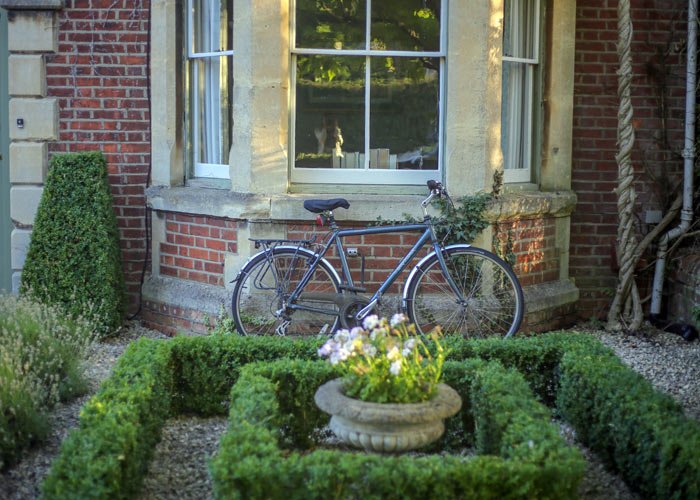
Does a Nice Garden Increase Property Value?
Outdoor space has become more valued since remote working became more common, and a well-kept garden is a genuine selling point. However, the impact on price is more about presentation than landscaping investment. A tidy, low-maintenance garden with a lawn, clear borders, and a clean patio will appeal to a wide range of buyers. Spending thousands on elaborate landscaping is unlikely to return its cost at sale.
The front garden deserves particular attention. It is the first thing potential buyers see, and kerb appeal has a disproportionate effect on whether buyers form a positive first impression. A clean path, a painted front door, tidy hedges, and well-maintained fencing all contribute to that initial reaction before a buyer even steps inside.
Do Garages and Off-Street Parking Add Value?
In areas where parking is scarce, a garage or dedicated off-street parking can add meaningful value. In rural or suburban areas with ample street parking, the premium is smaller. A garage that is in good condition and usable for its intended purpose is worth more than one that has been neglected. If you are considering converting a garage into living space, weigh up whether losing the parking will make your property less attractive to buyers in your local market before proceeding.
Factors That Can Reduce Property Value
Just as important as understanding what adds value is knowing what can reduce it. Some of these are within your control; others are not. Being aware of them before you go to market helps you manage expectations and, where possible, mitigate their impact.
- Structural problems: Subsidence, roof damage, and damp are the most serious. They will be identified in a survey and can reduce offers significantly or cause buyers to withdraw.
- Poor EPC rating: An F or G rating raises questions about running costs and, increasingly, mortgage eligibility.
- Noisy or undesirable neighbours: Buyers can ask about neighbour disputes, and sellers are legally required to disclose known issues on the TA6 property information form.
- Proximity to flight paths, busy roads, or industrial sites: These cannot be changed, but they affect desirability and price.
- Leasehold complications: A short lease (under 80 years) or high service charges can deter buyers and make mortgage lending difficult. The government’s guidance on leasehold property explains the implications for sellers.
- Clutter and poor presentation: Easily fixed, but often underestimated. Buyers struggle to visualise themselves in a cluttered space.
- Dated kitchens and bathrooms: Not always worth a full renovation, but a very tired kitchen or bathroom gives buyers a reason to negotiate.
The Role of the Local Market
All of the factors above operate within the context of your local property market. What adds value in one area may matter far less in another. In a city centre flat market, outdoor space may be less relevant than storage space or proximity to transport. In a family-focused suburb, school catchment areas and garden size will dominate buyer decisions.
Before making any significant investment ahead of a sale, speak to a local estate agent who knows your specific market. They can give you a clear picture of the sale prices of similar homes in your area, tell you what buyers are asking about, and advise whether a particular home improvement is likely to return its cost. Online valuations give a useful starting point, but a local expert with recent sales data is far more reliable for setting realistic expectations.
If you are looking for a broader overview of the steps involved before going to market, our guide on the best ways to add value to your home covers practical options across different budgets and timescales.
Key Takeaways
- Location is the single biggest factor and cannot be changed, but it can be communicated effectively in your marketing.
- Size and layout matter: adding a bedroom or creating an open plan living space can shift buyer perception significantly.
- Condition is the most controllable factor in the short term. Address visible issues before going to market.
- EPC ratings are increasingly important. Improving your energy efficiency score is one of the most actionable steps you can take.
- Not all home improvements add value. Focus on kitchens, bathrooms, loft conversions, and extensions for the best return.
- A well-presented front garden and clean kerb appeal have a disproportionate impact on first impressions.
- Factors that reduce value, including structural problems, short leases, and poor EPC ratings, should be addressed or disclosed before marketing.
- Always take advice from a local estate agent who knows your specific market before committing to improvement spend.
Frequently Asked Questions
The main factors are location, property size and layout, condition, energy efficiency, and the local market. Location is the biggest driver, but presentation and improvements can make a noticeable difference before you sell.
Yes, double glazing can help increase value because it improves energy efficiency, reduces noise, and gives buyers less to worry about. It is not usually a dramatic uplift on its own, but it supports a stronger sale price and can make a home easier to sell.
They can, especially if they lower running costs and improve the EPC rating. The value impact depends on the buyer and the local market, so solar panels are best seen as part of a wider energy efficiency strategy rather than a guaranteed premium.
A nice garden usually helps a property sell better and can support a higher price, but the effect is more about appeal than direct pound-for-pound return. A tidy, usable garden with good kerb appeal often matters more than expensive landscaping.
A deck can add appeal if it creates a practical outdoor living space, but it does not always add value equal to the cost of installation. Buyers tend to value neat, usable outdoor space more than highly specific features, so keep the design simple and well maintained.
Good fencing can improve privacy, security, and presentation, which may help support value. Damaged or missing fences can have the opposite effect. Fencing is usually a maintenance and appeal issue rather than a major value driver on its own.
A garage can increase value, particularly where parking is limited or storage space is important. In some areas, buyers will pay more for secure parking, while in others a garage conversion into living space may be more valuable, depending on local demand.
Some do, but not all renovations give a strong return. Kitchens, bathrooms, loft conversions, and extensions are the most likely to add value. Cosmetic updates help with presentation, but it is important to avoid over-improving for your local market.
New windows can support value because they improve energy efficiency, reduce draughts, and improve the look of a home. They are especially useful if the existing windows are old, damaged, or single glazed. The return depends on the condition of the rest of the property.
The biggest increases usually come from adding usable space, improving layout, and upgrading the condition of the home. Location remains the main fixed driver, but value growth is most often created by making a property more practical, efficient, and appealing to buyers.