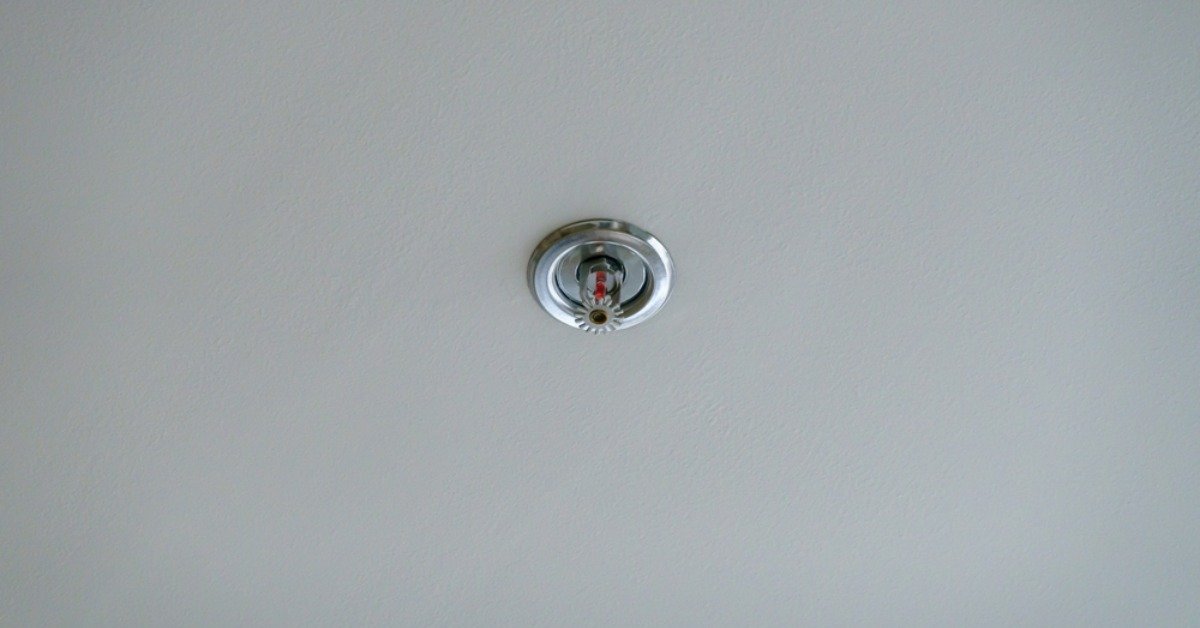


When it comes to keeping your home and family safe, few things are as important as being prepared for the unexpected. A key part of a sound fire safety strategy in modern homes is the installation of an effective Home Fire Sprinkler System. These systems are designed to detect and suppress fire quickly, often before the fire brigade even arrives, greatly reducing the risk of injury, loss of life, and property damage.
- Regular professional servicing ensures sprinkler components function reliably and suppress fires early, reducing injury and property damage.
- Servicing identifies hidden faults like blockages or corrosion, allowing repairs before critical failures and extending system lifespan.
- Annual checks uphold UK standards and insurance compliance, providing legal protection and homeowners peace of mind.
However, simply having a fire sprinkler system installed isn’t enough. Like any mechanical system, ongoing residential fire sprinkler servicing is essential to ensure it functions reliably when needed most. In this article, we explore why regular servicing matters, what it involves, and how it contributes to overall home safety.
Understanding Fire Sprinkler Systems in Houses
A fire sprinkler system in a domestic property typically consists of a network of pipes, sprinkler heads, valves, and a water supply — often from an electric pump and tank in the loft, or in some cases directly from the mains. When fire’s heat reaches a certain level, individual sprinkler heads activate automatically, releasing water to control or extinguish the fire.
This technology operates independently of electrical systems, so it can continue to function during power failures. Its effectiveness makes it one of the most reliable methods for early fire suppression in residential settings.
However, all components must be properly maintained. The system needs to be ready 24/7 — which is why regular servicing by a competent professional isn’t just recommended, it’s essential.
The Purpose of Residential Fire Sprinkler Servicing
Servicing isn’t about ticking boxes. It’s about ensuring your sprinkler system is ready to perform when you need it. Over time, components can deteriorate, get blocked by debris, corrode, or suffer wear and tear. Without regular checks, these hidden issues could render the system less effective or even non-functional in an emergency.
Residential fire sprinkler servicing typically includes:
- Visual inspections of all visible components — pipes, heads, valves and water tanks — to identify physical damage or obstructions.
- Flow and pressure testing to ensure water will reach the sprinkler heads at the required rate.
- Conduct alarm and switch checks to confirm that the system’s alert mechanisms function correctly.
- Documentation and reporting of any issues found, along with recommendations for corrective action.
In essence, servicing ensures the system complies with recognised standards and is ready to perform as designed.
Legal Standards and Safety Compliance
In the UK, residential sprinkler systems are generally maintained in accordance with BS9251:2021, which sets out the requirements for annual testing and servicing. Regular servicing isn’t just good practice — for many properties, it’s a requirement to meet safety standards and maintain insurance cover.
Failing to service your system could result in your insurance provider refusing to pay after a fire, simply because the equipment was not properly maintained. In the worst case, property owners may face legal implications for failing to maintain life-safety equipment, particularly in properties with tenants or multiple occupants.
Early Detection and Peace of Mind
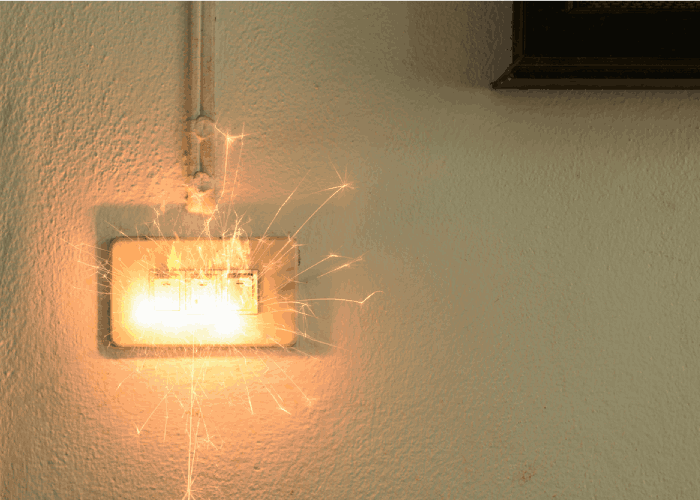
A properly serviced system does more than satisfy regulations — it provides peace of mind. Fire doesn’t announce itself. It can start from something as simple as an electrical fault, an unattended candle, or a cooking accident. With a well-maintained sprinkler system, a fire can be detected and suppressed long before it escalates.
For homeowners, knowing a system is regularly inspected and functioning provides reassurance, especially when the family is asleep or away from home.
Preventing Costly Failures and Damage
Without regular servicing, a fire sprinkler system can develop problems that are not immediately obvious. A blocked pipe, corroded valve, or stuck switch might go unnoticed until it’s too late. Regular checks identify these issues early, allowing for repairs before they become critical.
Moreover, these routine checks help extend the system’s lifespan. Fire sprinkler systems can last many years—often decades—but only if they are properly maintained. By maintaining your system, you maximise its longevity and reliability.
What Servicing Looks Like in Practice
Professional residential fire sprinkler servicing is thorough and methodical. A competent engineer will follow a set process:
- Preparation and Isolation
The engineer will prepare the system for inspection. If the sprinkler system is linked to a fire alarm or monitoring centre, notifications are made to prevent false alarms during testing. - Detailed Inspections
Every component is examined visually. Sprinkler heads are checked for blockages or damage, valves are inspected for leaks or corrosion, and pipework is examined for wear. - Functional Testing
The system’s water flow and pressure are tested. Alarms and flow switches are checked to ensure they activate as intended. - Reactivation and Reporting
Once testing is complete, the system is restored to normal operation, and a detailed report is provided. Any issues identified will be clearly documented, along with guidance on next steps.
This process is typically carried out at least annually, though in some circumstances, more frequent checks may be advisable.
Simple Checks You Can Do Between Services
While professional servicing is essential, homeowners can also carry out basic visual checks. For example, ensuring sprinkler heads are not painted over or obstructed, keeping the areas around valves accessible, and promptly reporting any suspected leaks.
These simple habits support professional work and help ensure nothing is missed between annual visits.
Final Thoughts
A Home Fire Sprinkler System is a powerful safety tool, but its value depends on its readiness to perform in an emergency. Regular residential fire sprinkler servicing ensures every part of the system operates as intended, meets safety standards, and gives homeowners confidence that their property and loved ones are well protected.
Maintaining and servicing a sprinkler system is not just about compliance — it’s about being prepared for the unforeseen. With the right checks and professional care, you can rest assured that your fire safety measures remain robust and dependable.
TIP: Boosting property safety with advanced glass solutions