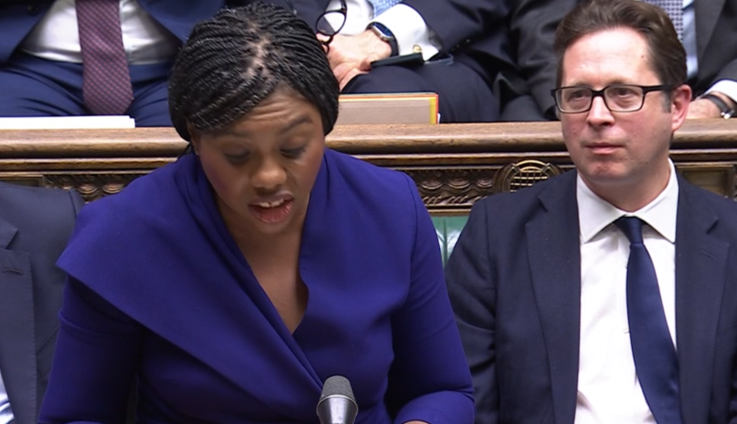
Kemi Badenoch has launched a fierce attack on the chancellor after Rachel Reeves unveiled plans to hike property taxes for landlords – a move the Conservative leader says will leave tenants footing the bill.
Responding to the Budget in the Commons, Badenoch warned that Reeves’s decision to raise taxes on rental income would push landlords out of the market and drive rents even higher, at a time when millions are already struggling with record costs.
She told MPs the move was “short-sighted” and would “hit renters hardest”, insisting the chancellor’s tax strategy would shrink supply and force up prices.
Reeves’s Budget, delivered on Wednesday, confirmed a two-percentage-point increase in tax rates on property, savings and dividend income from April 2027 – a change that will notably increase the tax burden on landlords and reshape the rental market.
The chancellor told MPs: “Currently, a landlord with an income of £25,000 will pay nearly £1,200 less in tax than their tenant with the same salary because no National Insurance is charged on property, dividend or savings income.”
“It’s not fair that the tax system treats different types of income so differently, and so I will increase the basic and higher rate of tax on property, savings and dividend income by two percentage points, and the additional rate of tax on property and savings income by two percentage points.
“Even after these reforms, 90% of taxpayers will still pay no tax at all on their savings.”
Badenoch attacked the policy announcement in her response to the Budget, saying: “Hiking tax on landlords will only push up rents. It will push landlords out of the market – the people who will suffer are the tenants.”
The Office for Budget Responsibility’s fiscal outlook also warned that the policy could lead to increasing rents, stating: “The measures announced in this Budget reduce returns to private landlords, following various measures over the past 10 years that have also reduced returns.
“This successive eroding of private landlord returns will likely reduce the supply of rental property over the longer run. This risks a steady long-term rise in rents if demand outstrips supply.”