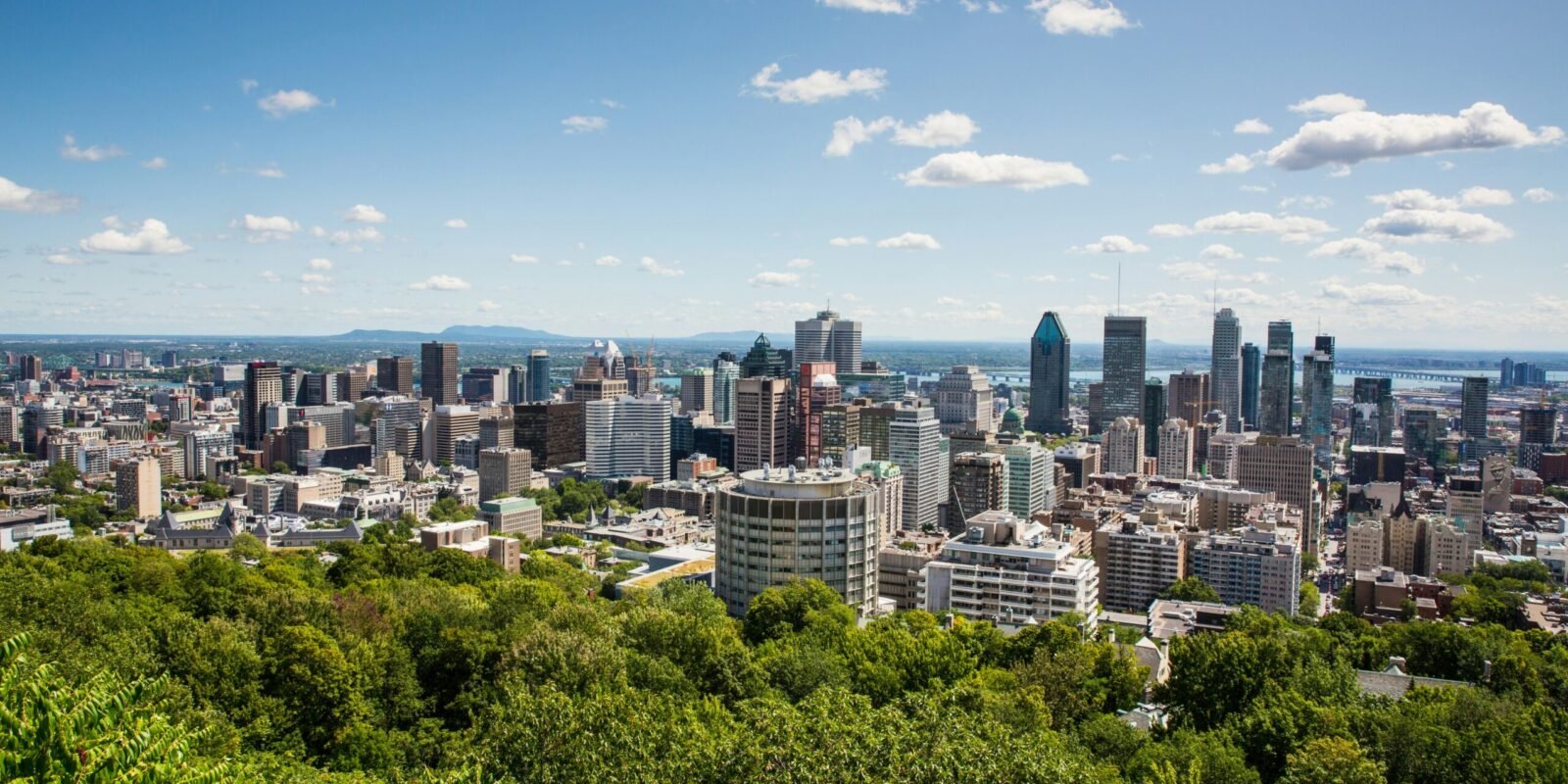


Renowned for its European charm, vibrant cultural and dining scenes, and world-class events, Montréal continues to draw a metropolitan crowd and young families looking to capitalize on a more affordable luxury lifestyle.
To understand where demand is headed, we turned to John Faratro, President and Managing Partner of The Agency Montréal, for an inside look at one of the last major North American cities where lifestyle, culture, and relative affordability still intersect.
How do you see Canada’s Foreign Buyer Ban influencing Montréal feeder markets?
I think the ban had a much smaller direct effect on Montréal itself than expected, but a more interesting secondary effect on its feeder markets. Montréal was never Vancouver or Toronto—the ban was designed for those markets’ offshore capital exposure and condo speculation. Montréal’s drivers were always local investors, interprovincial migration, immigration, and supply shortages.
The real impact was demand redistribution. As Toronto grew unaffordable, Vancouver saturated, and the ban cooled speculative psychology, Montréal and Quebec started looking relatively “cheap”—pulling Ontario buyers, Quebec move-up buyers, remote workers, and domestic investors into feeder markets like Laval, Longueuil, Brossard, Saint-Sauveur, Bromont, Sherbrooke, and Trois-Rivières. The biggest winners were suburban luxury markets, lifestyle regions, and secondary urban centers, since Montréal still offered lower relative pricing and carrying costs than Toronto and Vancouver.
Bottom line, the ban is mostly symbolic politically, marginal economically, and has had a limited impact on affordability nationally.
What Canadian regions do you see buyers coming from lately, and what draws them to Montréal?
Ontario remains the largest external driver, with feeder flows from the GTA, Ottawa, and increasingly Southwestern Ontario. What draws them is relative affordability—many are surprised they can buy a Westmount-adjacent condo, an Outremont duplex, or a Bromont country home for less than comparable product in Toronto. Increasingly, buyers are also chasing walkability, food culture, and a European atmosphere.
The old narrative was that people moved to Montréal because it’s cheap. Today, Montréal offers a better balance of cost, culture, lifestyle, and identity.
Catherine Lussier, a broker at The Agency Montréal, echoes this—she finds that buyer activity is strongly shaped by demand from the GTA, Vancouver, and Ottawa, with affordability as the primary driver. “Toronto’s average home price in early 2026 was still close to $1M. Compared to that, Montréal offers relatively attainable homeownership. Vancouver buyers are drawn by lifestyle—our mix of culture, restaurants, and neighbourhood energy—while still being far more affordable than either coast.”
As Toronto grew unaffordable, Vancouver saturated, and the ban cooled speculative psychology, Montréal and Quebec started looking relatively “cheap”
From your perspective, which neighborhoods are seeing the most interest right now?
Griffintown & Old Montréal — Where Urban Lifestyle Still Dominates
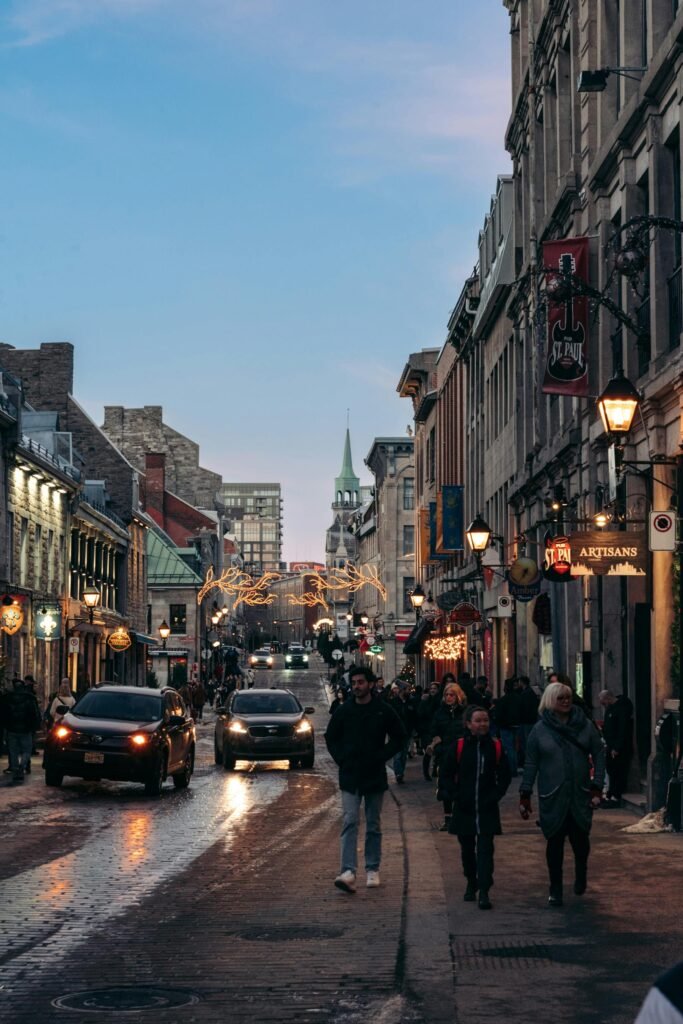
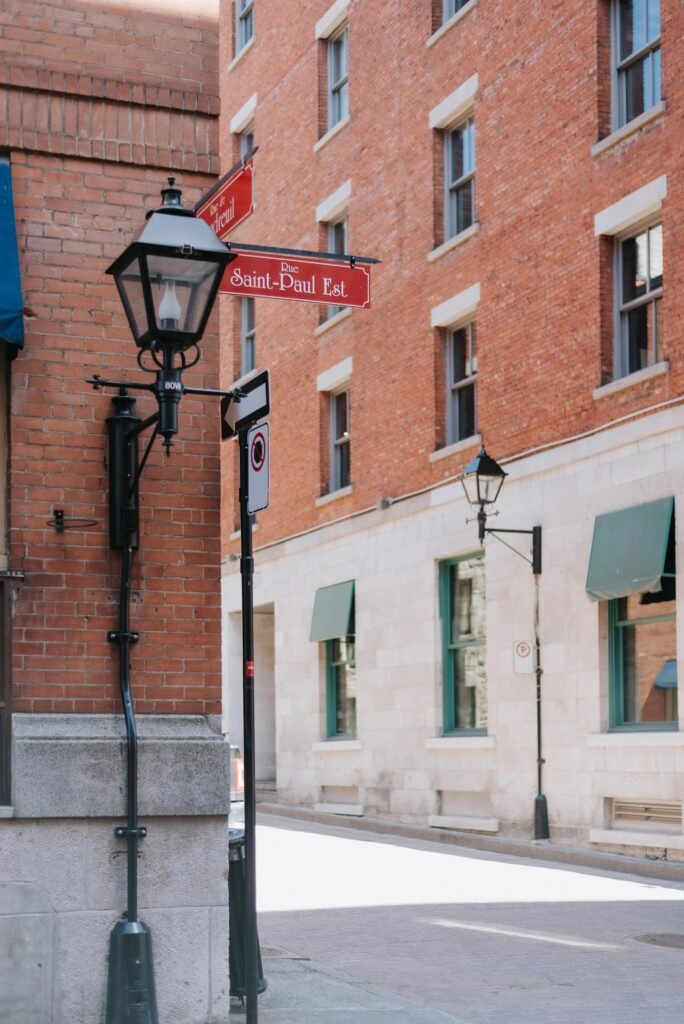
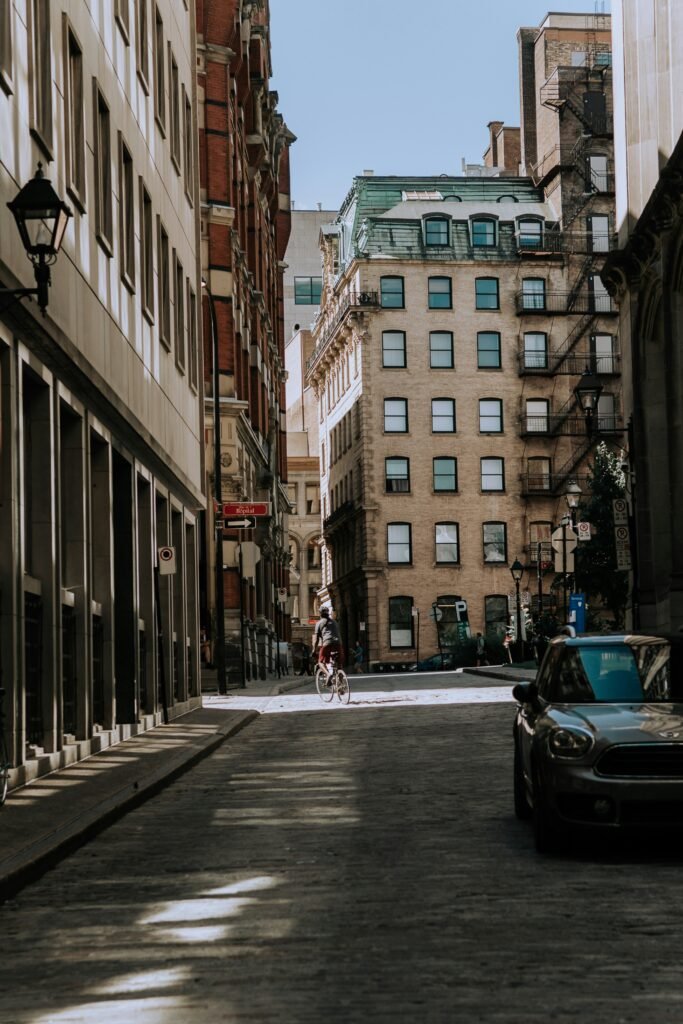
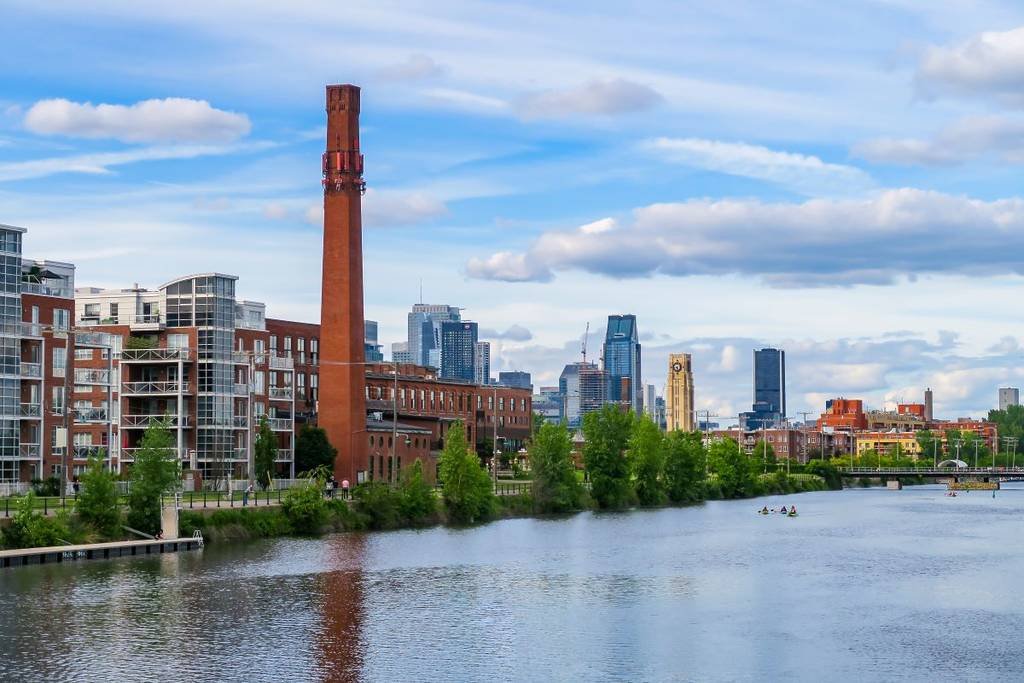
The restaurant scene remains a huge draw, with staples like Joe Beef and Jellyfish Crudo+Charbon pulling in locals and visitors alike. The Lachine Canal adds an exceptional balance of city living and outdoor lifestyle, while Old Montréal’s architecture and landmarks like Notre-Dame Basilica give it an unmatched European ambiance. Griffintown, having matured significantly, is now viewed as a long-term lifestyle destination rather than just a condo play.
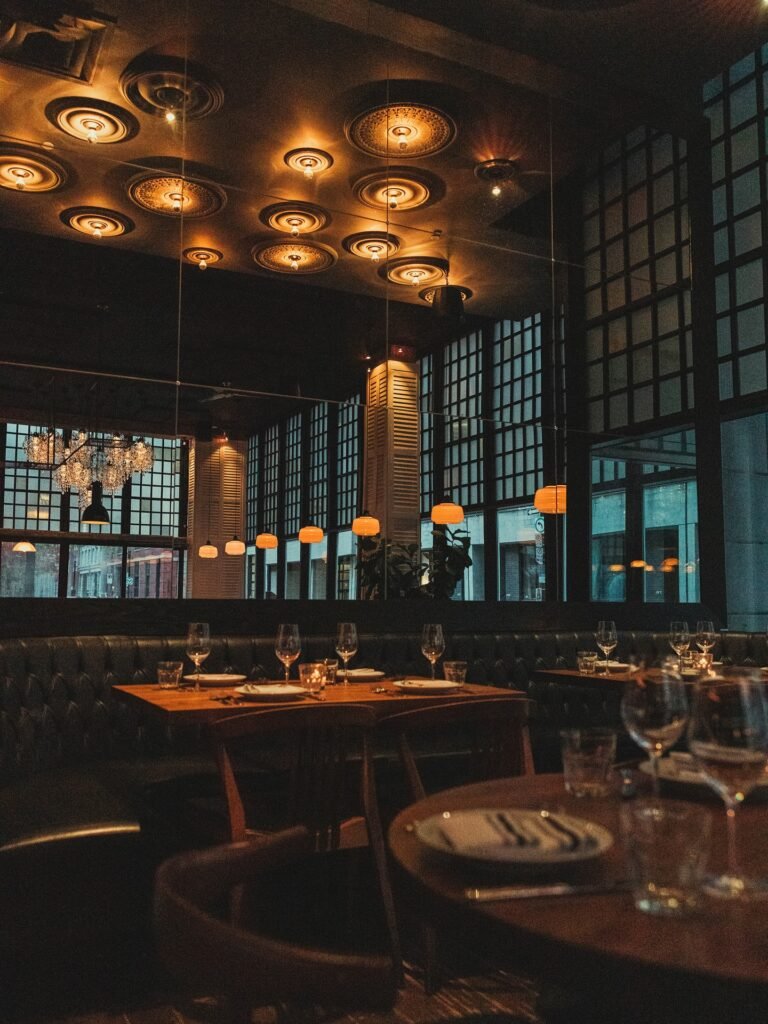
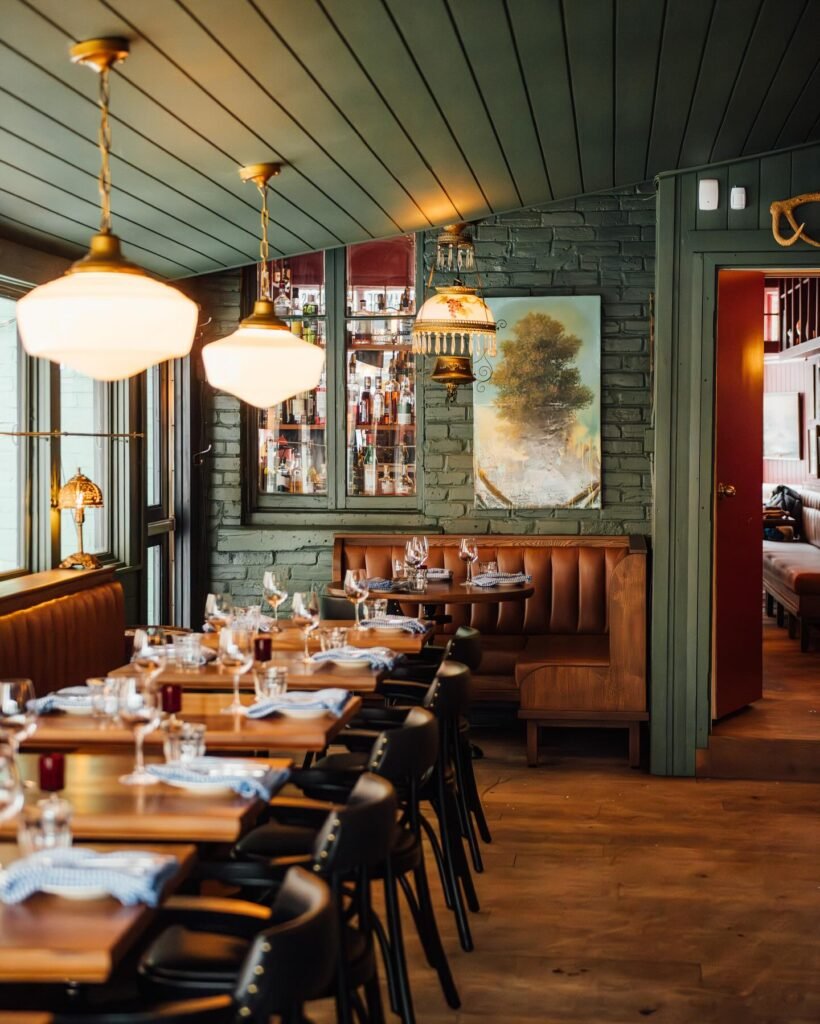
The Buyer: Young professionals, entrepreneurs, investors, and international buyers—often in finance, tech, or creative industries—drawn to downtown proximity and turnkey, fast-paced living. Investors like Griffintown’s rental demand; international buyers are drawn to Old Montréal’s distinctly non-North-American feel.
Westmount — Timeless Prestige & Stability

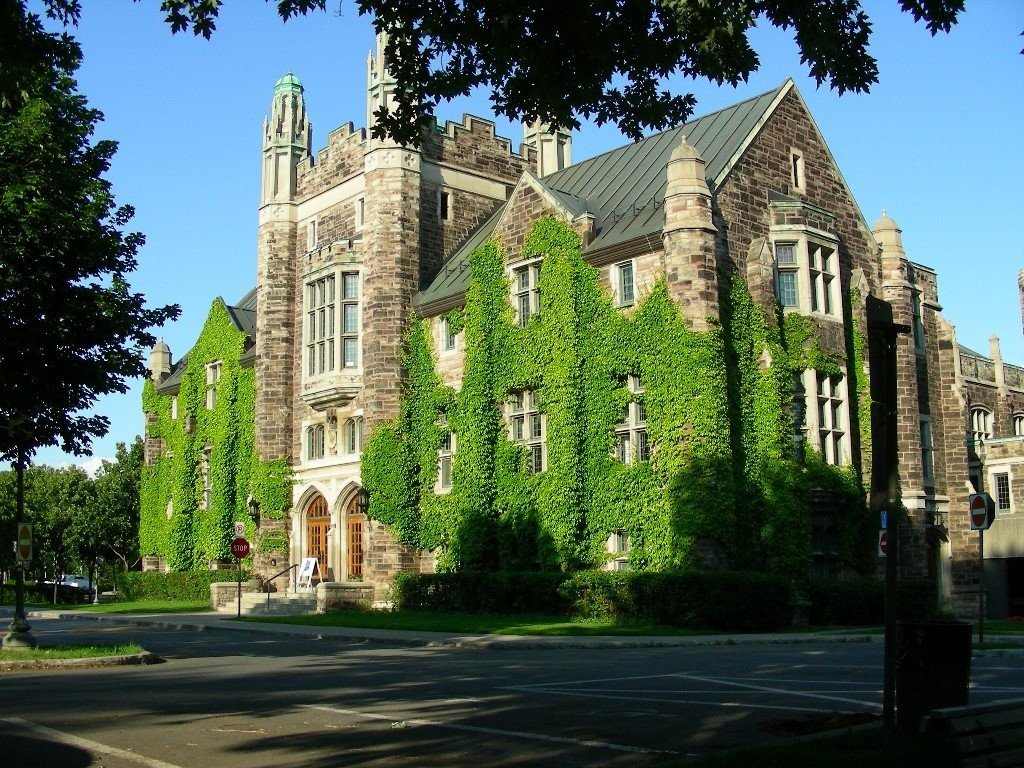
Westmount remains one of the province’s most sought-after luxury markets, prized for privacy, architecture, greenery, and proximity to downtown—qualities that make established luxury neighbourhoods perform well in uncertain times. Westmount Park and Summit Woods anchor the community, while Greene Avenue remains one of Montréal’s most refined shopping corridors.
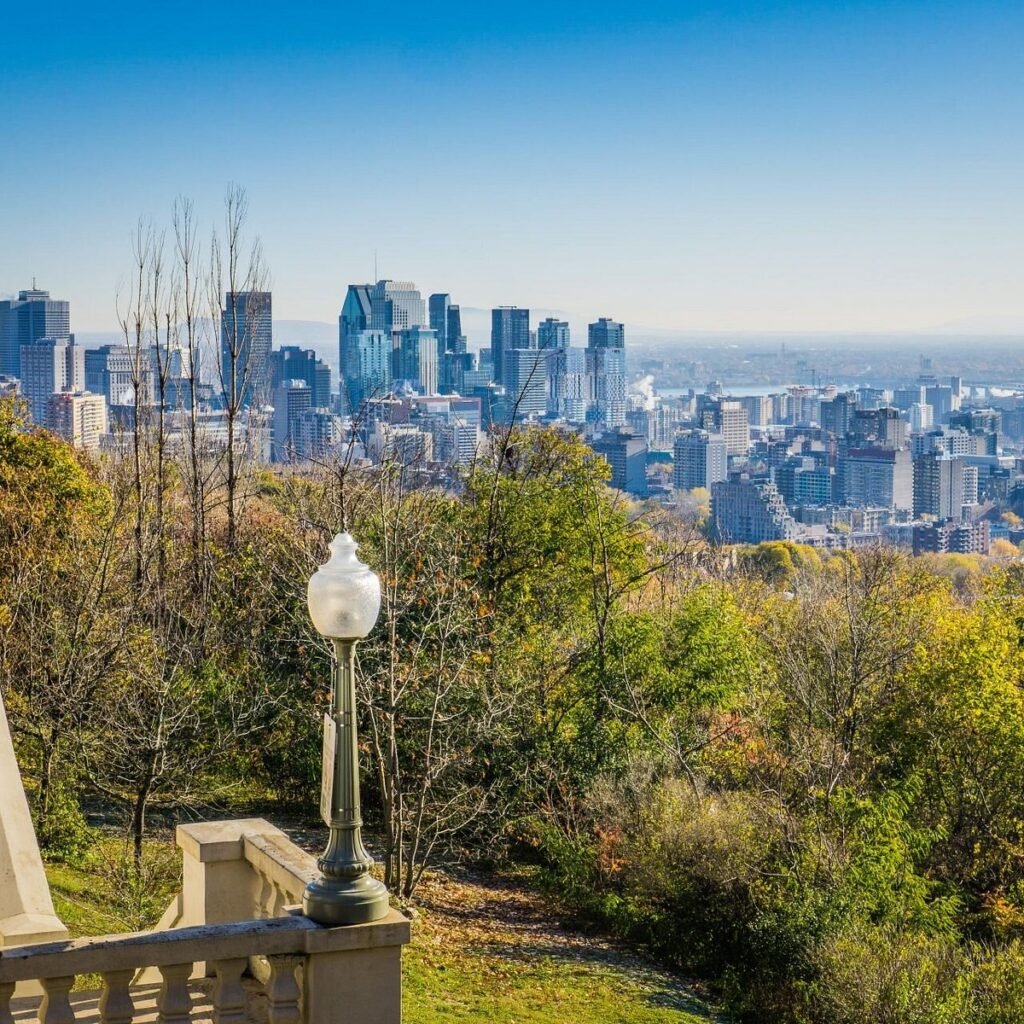
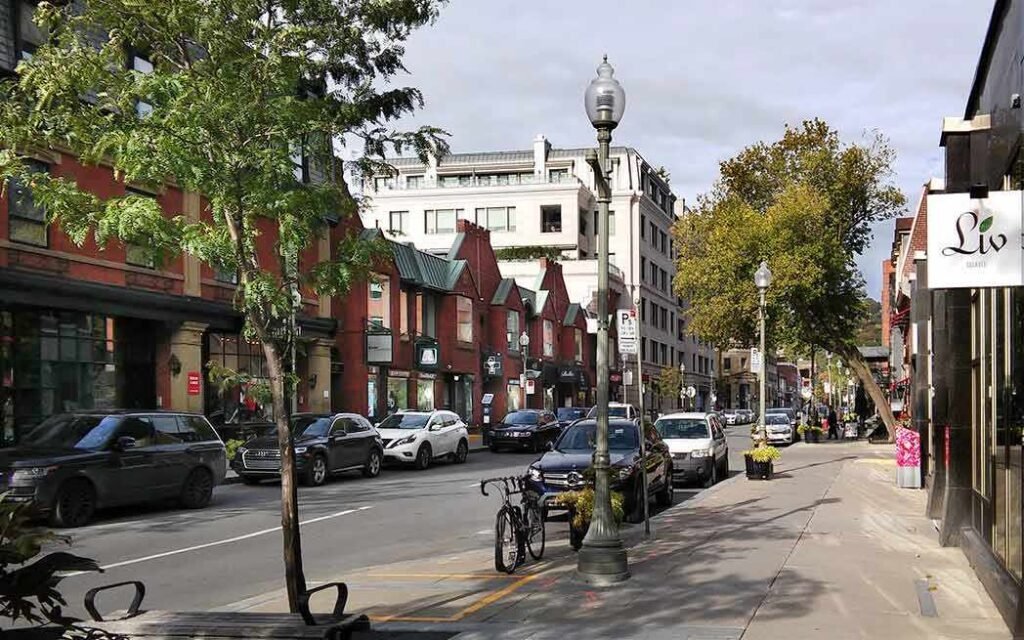
The Buyer: Affluent families, executives, and international luxury buyers seeking stability and prestige, favoring larger homes, security, and quiet streets close to downtown. Demand for turnkey renovated homes continues to grow.
Outremont & Town of Mount Royal — Family-Oriented Luxury
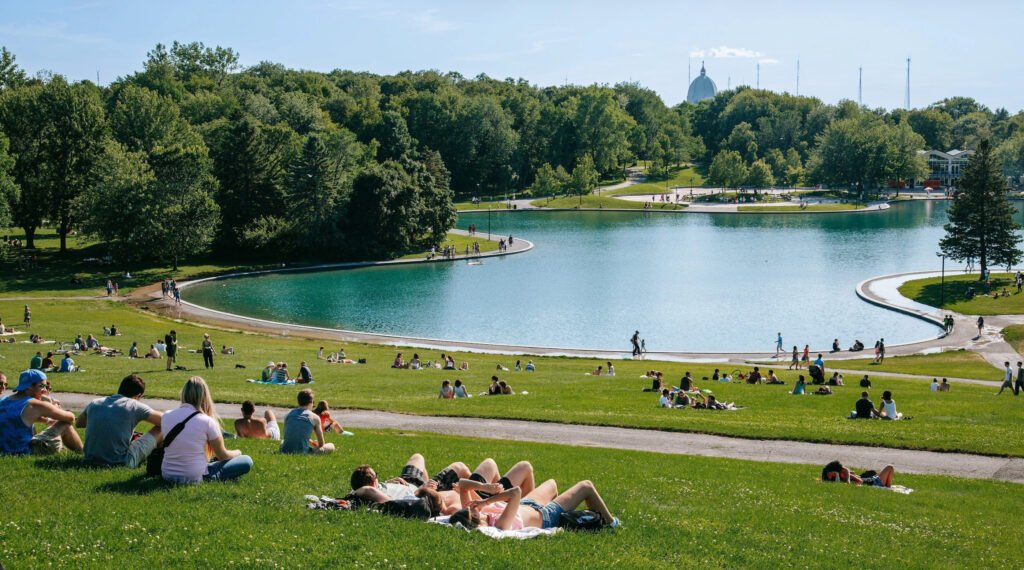
These neighbourhoods attract affluent families seeking community, education, and long-term quality of life, helped by limited inventory and proximity to Mount Royal Park.
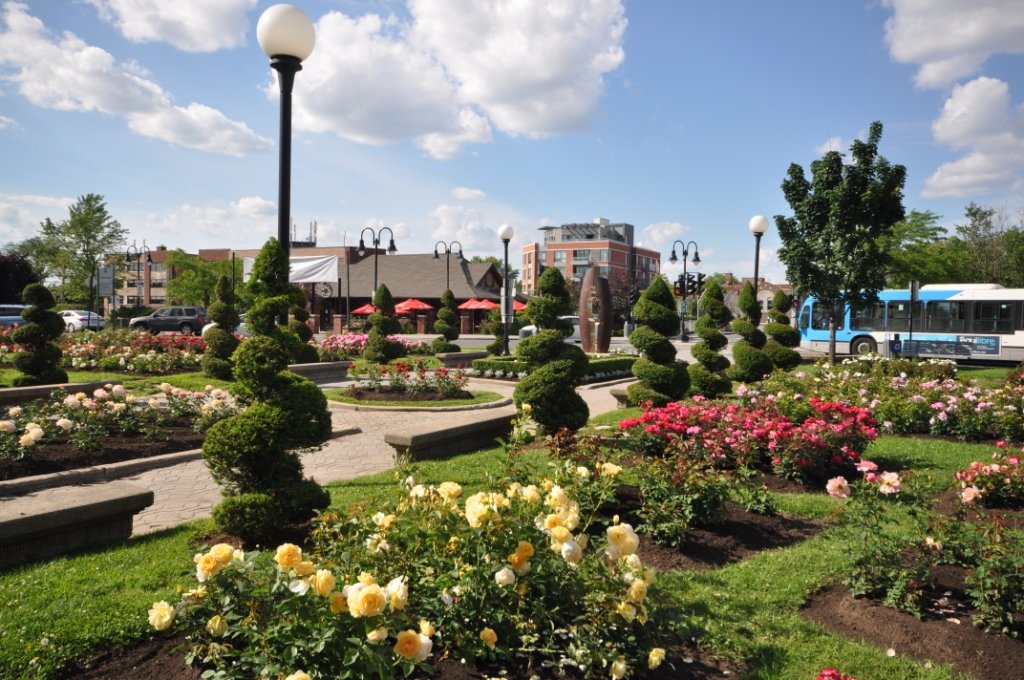
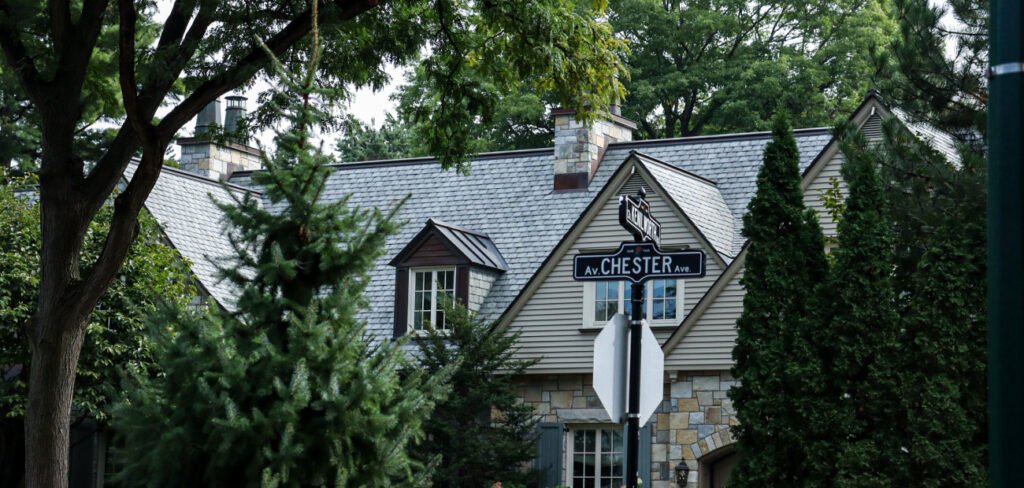
The Buyer: Families prioritizing schools, green space, and walkability. Since the pandemic, home offices and neighbourhood atmosphere play a much larger role—appealing to those who want residential calm without sacrificing access to the city.
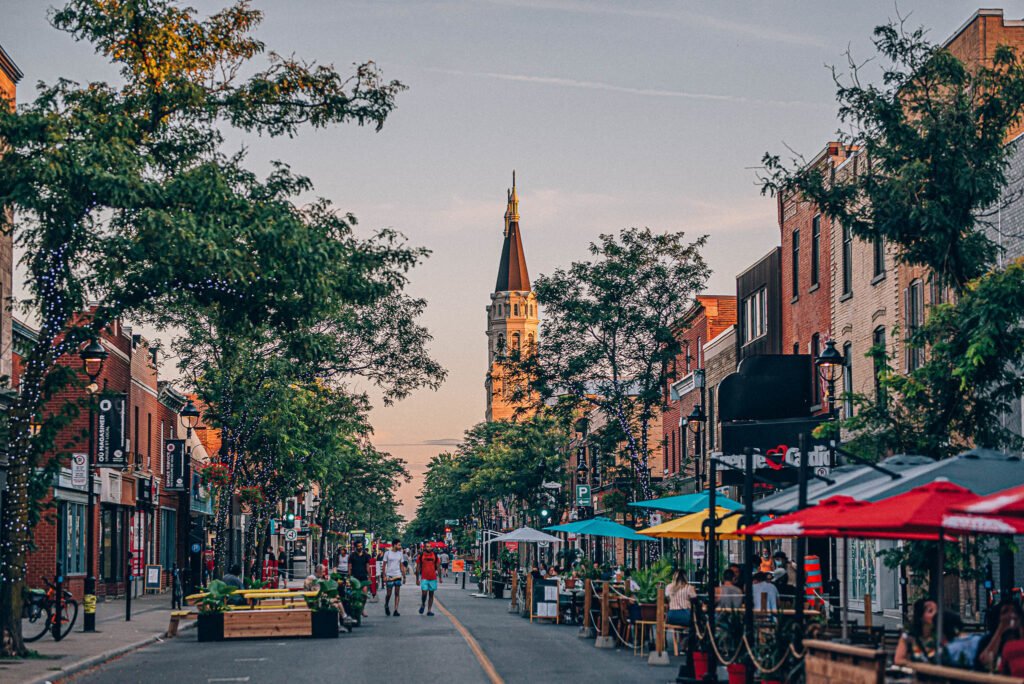
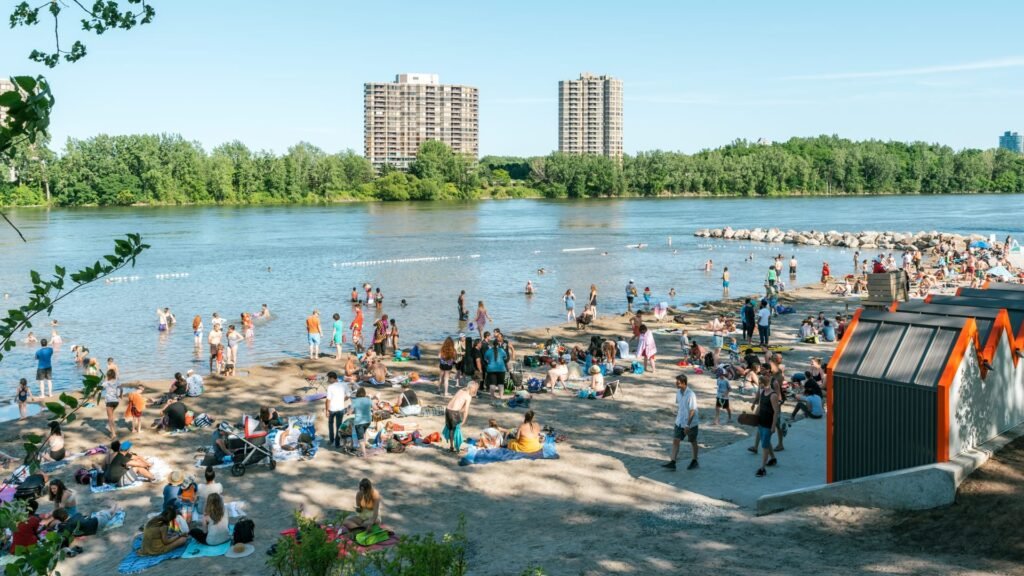
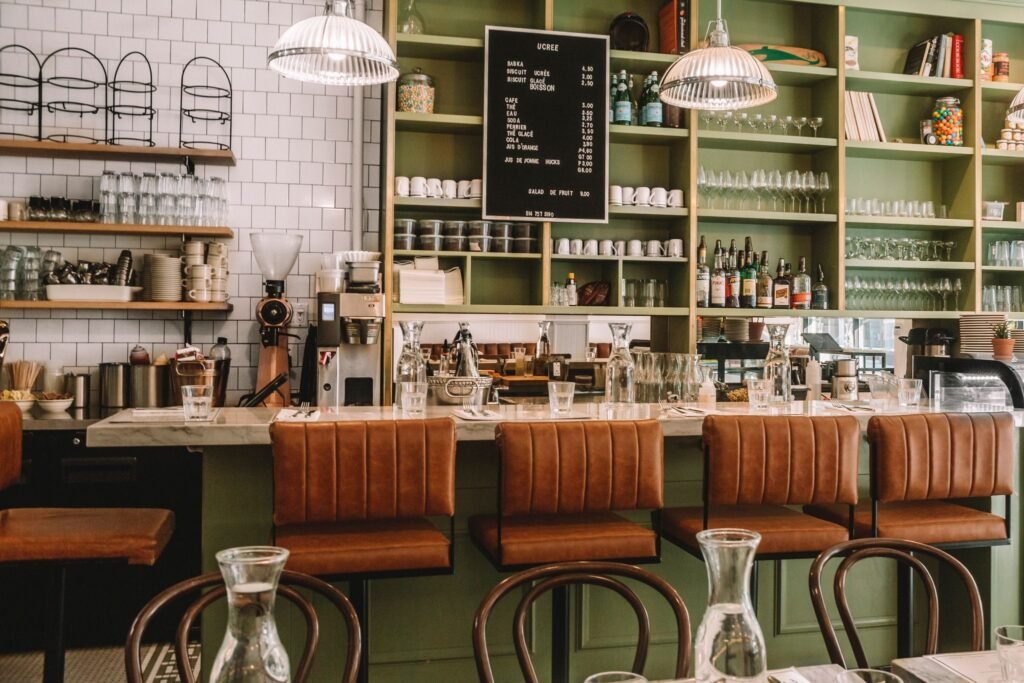
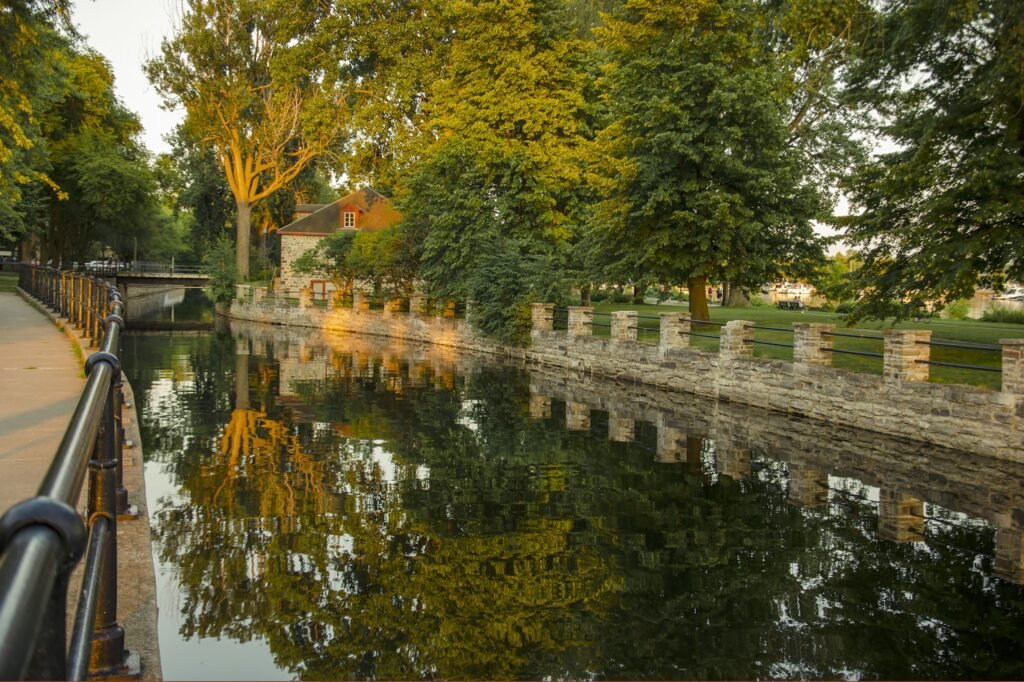
These neighbourhoods draw younger buyers, creative professionals, and first-time homeowners seeking authenticity and community, with cafés like Arthurs Nosh Bar and BarBara and Lachine Canal access reinforcing the appeal of areas that feel organic rather than polished.
How have buyers’ priorities shifted over the past year?
Buyers are far more intentional about lifestyle—wellness, walkability, and long-term alignment now carry nearly as much weight as the property itself. Luxury is being redefined around privacy, turnkey living, and experience over size. Remote work still pushes demand toward flexible layouts, benefiting Outremont and TMR, while central neighborhoods keep thriving on connectivity. Above all, buyers want authenticity and community—Montréal real estate has become experience-driven, and that’s a long-term shift, not a passing trend.
Are there emerging or lesser-known neighborhoods on the rise?
Some of today’s most interesting opportunities are emerging in areas benefiting from the same fundamentals that once drove Griffintown, Saint-Henri, and Verdun: improving infrastructure, growing local business, and evolving lifestyle appeal.
- Hochelaga-Maisonneuve draws younger professionals and first-time buyers with relative value, community identity, and proximity to downtown and Maisonneuve Park.
- Pointe-Saint-Charles appeals with its industrial character, revitalization, and proximity to the Canal and Griffintown.
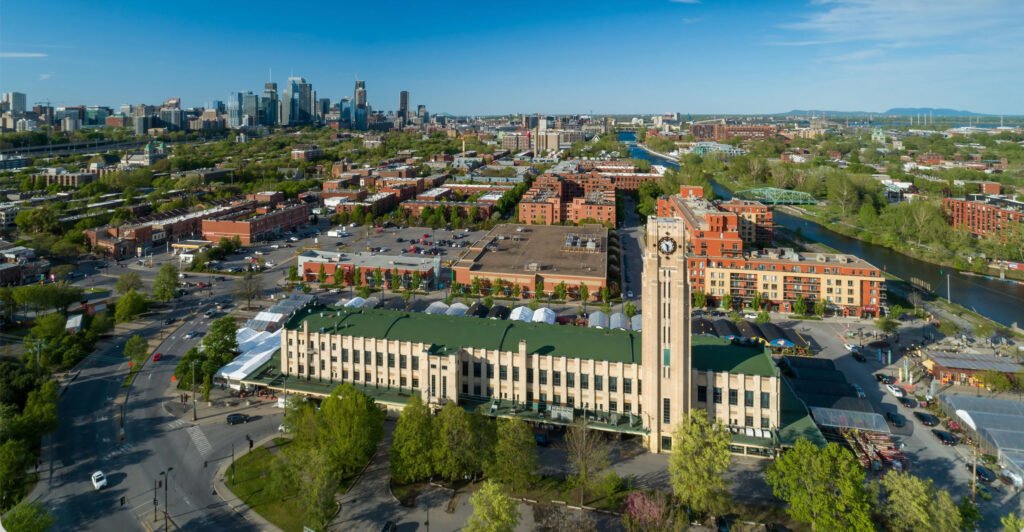
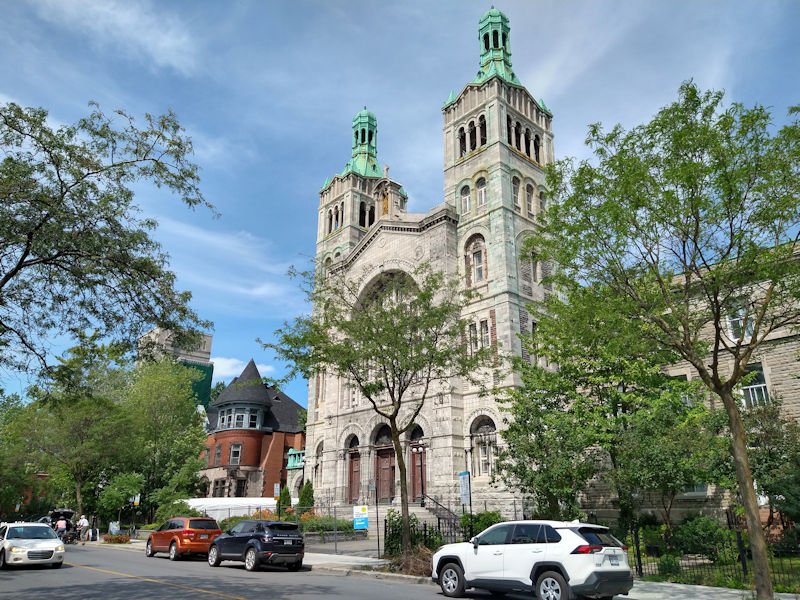
- Villeray has quietly become one of Montréal’s most desirable lifestyle neighbourhoods, balancing residential calm and urban accessibility
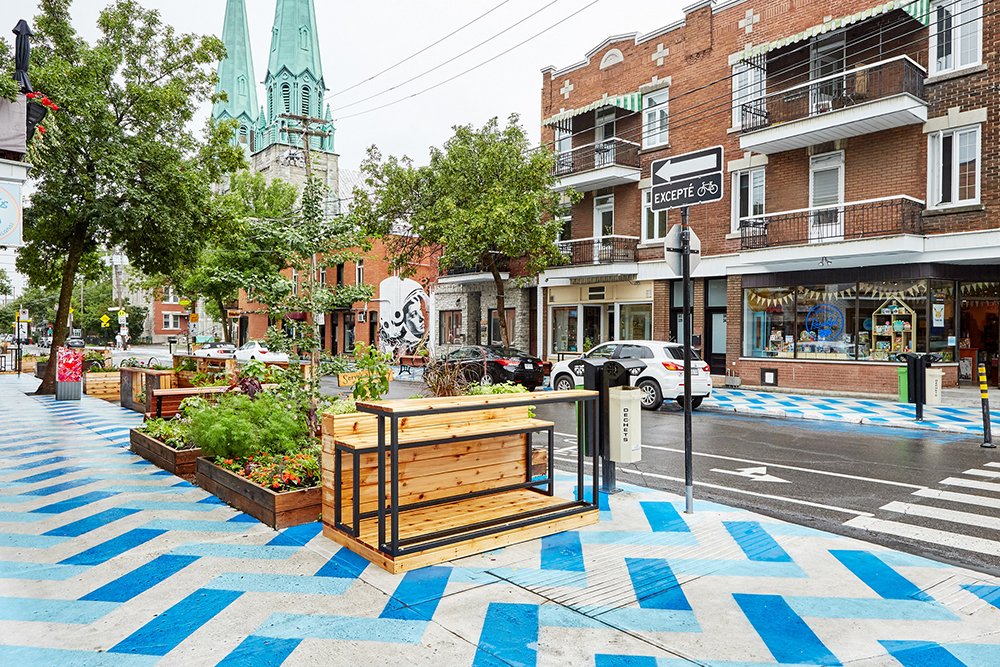
- La Petite-Patrie continues to gain momentum for its walkability, food culture, and central location.
Many Montréal neighborhoods remain relatively undervalued compared to other major North American cities, and the ones set to keep rising are those combining strong fundamentals with authentic lifestyle appeal.
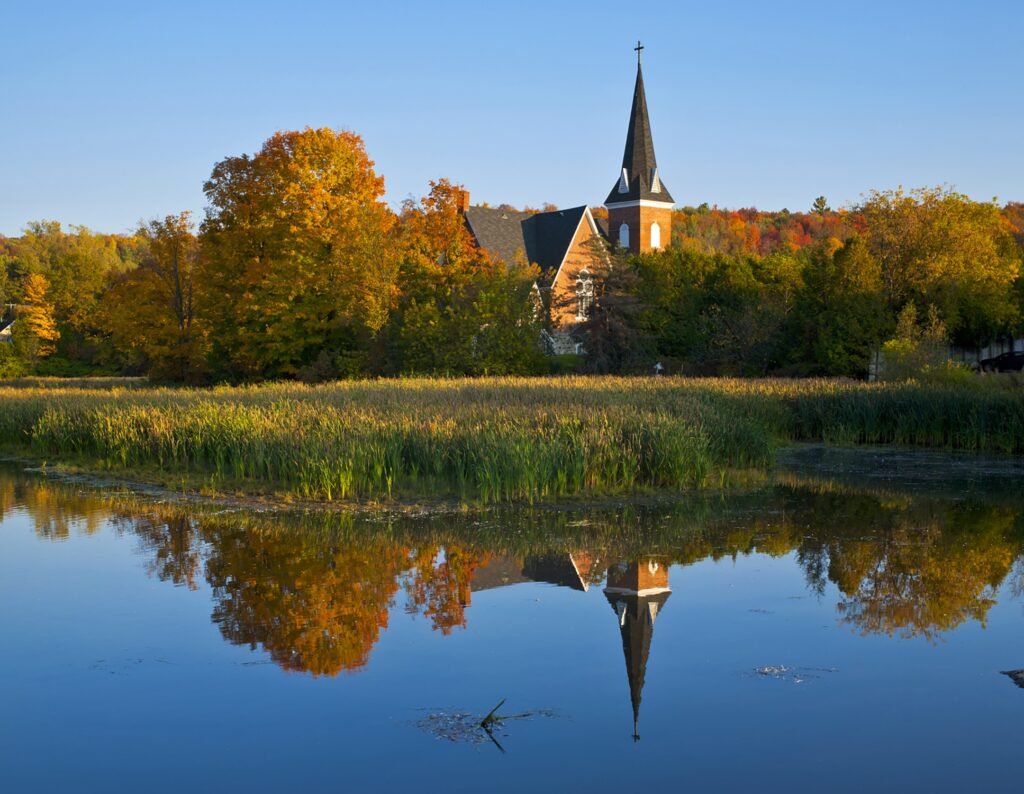
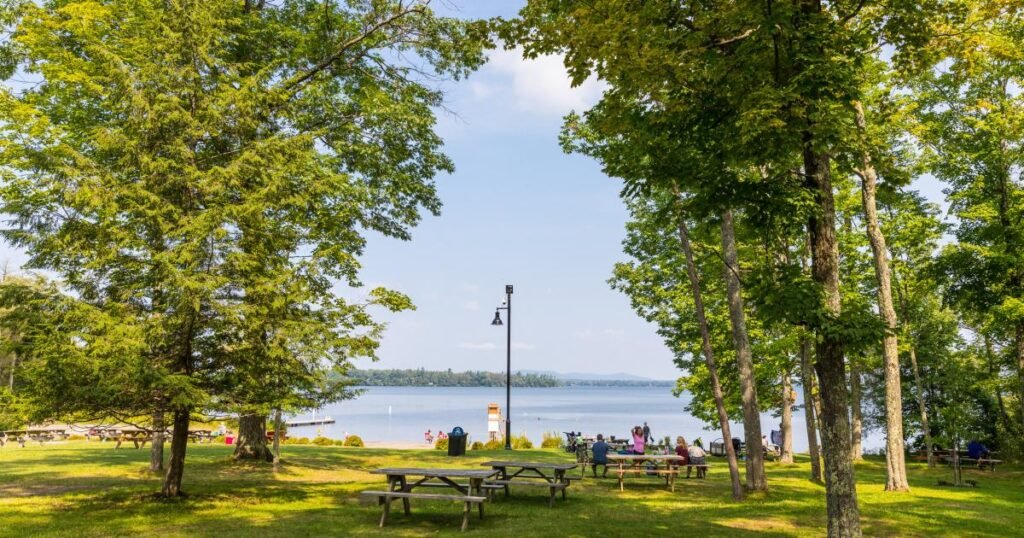
Beyond the city, Marie-Josée Rouleau, a broker at The Agency Montréal specializing in the Eastern Townships, sees a strong shift toward secondary markets like Knowlton, Lac-Brome, Bromont, Sutton, and Orford—once weekend destinations, now year-round luxury markets prized for golf, skiing, and remote-work-friendly living. Lac-Brome and Knowlton have built a refined identity around architecturally distinctive and lakefront homes, while Orford is emerging as a four-season draw near Mont-Orford National Park. The strongest emerging markets, overall, offer a complete lifestyle.

What’s the best advice you’d give someone considering a purchase in Montréal today?
Don’t simply buy for the moment. Buy for the life you want to build over the next five, ten, or twenty years. The best real estate decisions come from vision and long-term thinking, not just numbers. A property can always be renovated, but a neighbourhood’s character can’t be replicated.
Montréal’s diversity—from properties that date back to the 1600s to new construction—means choosing the right broker and inspector matters. Heritage properties especially come with restrictions under Quebec’s Cultural Heritage Act, and the right partner can save you real time and money.
Finally, take your time and enjoy the process. Montréal properties are a rare blend of old-world charm and modern living.
Thinking of making a move to Montréal?
Get in touch with John Faratro and The Agency’s local team to learn more about the market and available properties.