


New York City remains one of the world’s most dynamic real estate markets, and 2026 promises to be a particularly pivotal year for buyers and sellers. Changes in development trends, transformative policy shifts, and increased emphasis on creative building reuse are reshaping the city’s housing landscape.
We spoke with John Carapella, Richie Herschenfeld, and Daniel Hall of The Agency New York to get their perspective on where the market is headed and how buyers, sellers, and investors can navigate it strategically.
Housing Market Trends & the Luxury Landscape
New York City continues to benefit from long-term structural support, even amid higher interest rates, shifting workplace dynamics, and affordability pressures. As Daniel Hall notes, “New York City isn’t slowing down — even with headwinds like high interest rates, shifting workplace dynamics, and affordability issues, there are structural tailwinds.” A key driver remains sustained public investment: “The city’s 10-Year Capital Strategy plans approximately $173.4 billion in investment across infrastructure, transportation, schools, parks, and cultural centers.”
These conditions are particularly evident in the luxury and ultra-luxury segments, where demand remains resilient and increasingly driven by scarcity rather than financing. High-net-worth buyers continue to prioritize homes with architectural distinction, privacy, and a strong sense of place—supporting pricing for rare, trophy properties and reinforcing New York City’s enduring appeal.
John and Richie, of the Carapella Herschenfeld Team, sum it up perfectly, “If there’s one constant in New York City, it’s resilience. As demand for luxury housing holds strong and development strategies adapt, we’re eager to watch how the market continues to evolve in this ever-dynamic city.”
New Development, Policy Shifts & Residential Supply
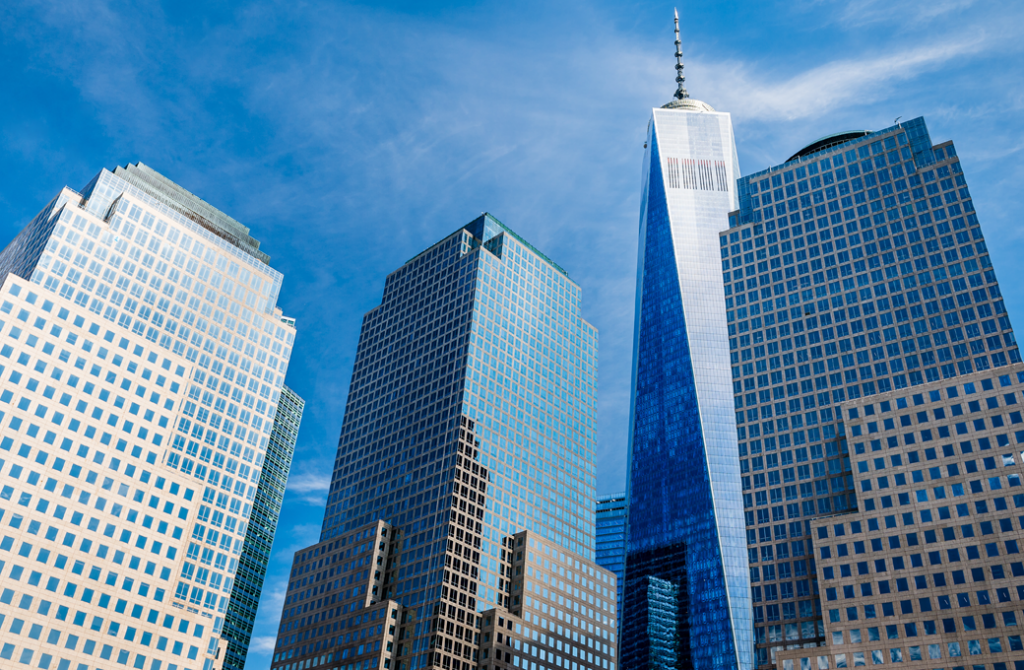
New development remains one of the most influential forces shaping the 2026 housing market. As construction costs rise and regulatory frameworks continue to evolve, ground-up building, particularly in Manhattan, has slowed, limiting new inventory and intensifying competition for luxury residences.
“Despite strong buyer and renter demand, ground-up development has significantly slowed, particularly in Manhattan,” John and Richie explain. “The year 2025 saw a sharp drop in new housing starts.”
At the policy level, targeted rezonings are beginning to redirect where housing can be created.
“Major rezonings in Midtown South (adding about 9,500 units), Long Island City ( about 14,700 units projected), signal a strategic push to boost housing via targeted density increases,” adds John. These initiatives are expected to favor transit-accessible, mixed-use neighborhoods.
“If there’s one constant in New York City, it’s resilience. As demand for luxury housing holds strong and development strategies adapt, we’re eager to watch how the market continues to evolve in this ever-dynamic city.”
— John Carapella & Richie Herschenfeld
Office-to-Residential Conversions & Adaptive Reuse
Developers are turning to adaptive reuse to meet housing demand amid limited new construction. Changing work patterns have left many office buildings underused, creating opportunities for office-to-residential conversions that can deliver thousands of units across the city.
As John and Richie note, “These strategies generally carry lower land costs, benefit from existing structures, and often face fewer entitlement challenges depending on zoning and building configuration. What was once a niche strategy will play an important role in New York’s housing pipeline for 2026 and into 2027.”
Ambitious examples include the conversion of 219–229 East 42nd Street (the former Pfizer headquarters), which will deliver roughly 1,600 rental apartments, including 400 affordable units. Programs like 467-m and updated zoning laws have made these projects increasingly viable, but progress depends on local policy. “Rezoning can help a neighborhood, but regulatory processes can delay or block development,” notes Daniel.
These conversions have the potential to add thousands of units, particularly in areas like Midtown South, where zoning changes and adaptive reuse strategies are opening new opportunities. Developers are designing these projects to meet modern urban lifestyles, emphasizing efficiency, walkability, and access to restaurants and amenities, while creating thoughtfully designed spaces that resonate with residents.
Neighborhoods & Areas to Watch
Across New York City, several neighborhoods stand out for both opportunity and potential risk. Here’s a look at some of the most promising areas:
Mott Haven, Bronx
Waterfront revitalization, a growing arts scene, and improving transit make this area appealing. However, Daniel notes, being “the next big thing” can bring volatility, including displacement, regulatory changes, and potential oversaturation.
Gowanus, Brooklyn
Rezoning, canal cleanup, and proximity to Park Slope increase potential for appreciation. Timing is critical, as infrastructure may lag and environmental remediation is slow.
Greenpoint, Brooklyn
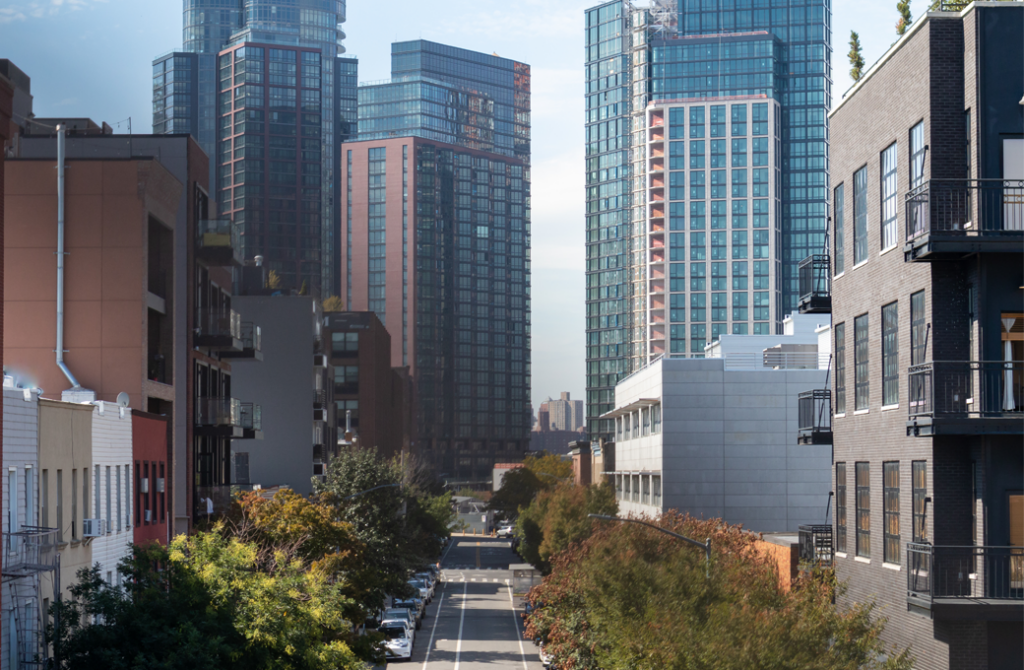
Waterfront projects and improved amenities attract buyers seeking a mix of quiet and city access. Rising prices and new development could limit outsized upside.
Rego Park, Queens
Strong transit links, family-friendly appeal, and new condo and retail development support long-term growth. Affordability and connectivity are advantages, though zoning and local infrastructure should be vetted.
Inwood, Manhattan
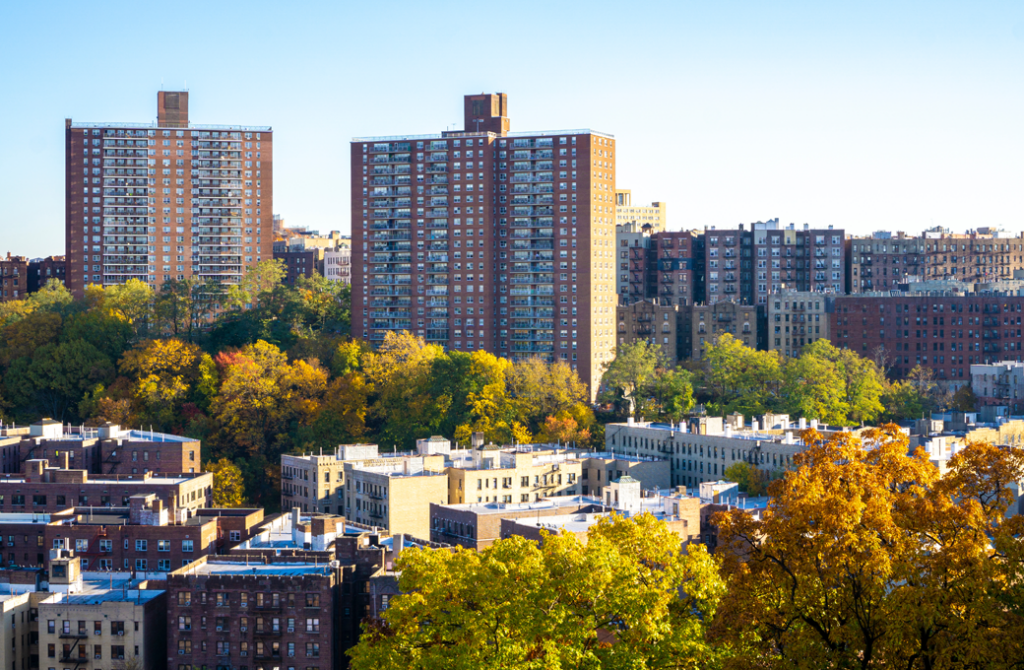
Lower prices, river views, and natural amenities make Inwood appealing. Rezoning could bring more density and commercial activity, but transit, retail, and political risks should be monitored.
Bushwick, Brooklyn
Creative energy and spillover from Williamsburg make Bushwick attractive for younger renters. Risks include gentrification, rising costs, and lagging infrastructure in some areas.
Financial District, Manhattan

Office-to-residential conversions are transforming FiDi into a 24/7 neighborhood. High-quality conversions, amenities, and infrastructure are essential, while office vacancy remains a risk.
How Buyers & Sellers Can Navigate What’s Next
Looking ahead, 2026 will be defined by adaptation rather than expansion. With limited new supply, the market is placing a premium on quality, location, and thoughtful design.
For buyers, this means acting decisively when the right opportunity appears. For sellers, it means recognizing the value of scarcity and leveraging expert guidance to maximize outcomes.
As New York continues to evolve, working with agents who understand today’s market and where it’s headed can make all the difference. Whether you’re considering buying, selling, or simply exploring your options, informed strategy and local insight remain the most valuable assets in a changing landscape.
To arrange a private consultation to discuss your goals and needs, reach out to John Carapella, Richard Herschenfeld, or Daniel Hall today.