

As energy costs rise, homeowners are increasingly looking for ways to improve their property’s efficiency. Government-backed funding for insulation improvements offers a practical solution. This guide will help you understand the benefits and application process of such funding opportunities.
With growing concerns over energy consumption and climate change, improving your home’s energy efficiency has never been more important. Many homeowners are unaware of the significant impact proper insulation can have on their energy bills. Fortunately, government-backed initiatives provide funding to make home insulation more accessible. These programmes aim to reduce carbon emissions and lower household energy costs through practical solutions like the Loft Insulation Grant.

Understanding insulation funding
Insulation funding is designed to assist homeowners in upgrading their home’s energy efficiency. This type of funding is crucial for those looking to invest in better insulation without bearing the full cost themselves. By reducing the financial burden, these initiatives encourage more individuals to consider implementing energy-efficient upgrades. The purpose is not only to lower individual energy expenses but also to contribute positively towards environmental sustainability.
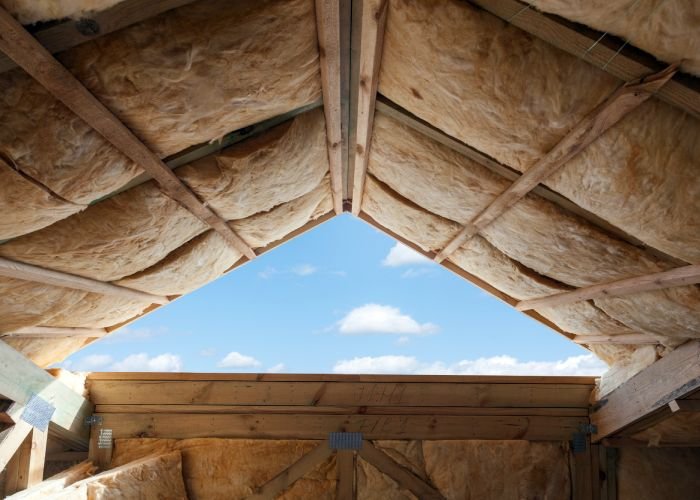
Government-backed funding options specifically target areas such as loft insulation, which can significantly improve heat retention in homes. By sealing gaps and insulating attics, you can maintain a more stable indoor temperature throughout the year. This reduces reliance on heating and cooling systems, leading to substantial savings over time. These funding programs highlight the importance of sustainable living and resource conservation.
Accessing these resources requires understanding the available options and eligibility criteria. Homeowners need to be informed about how these funds can be leveraged effectively for maximum benefit. The right approach ensures that you not only save money but also enhance your property’s overall value through increased energy efficiency.
The advantages of proper home insulation
Proper home insulation offers numerous benefits that extend beyond immediate financial savings. One of the primary advantages is improved comfort within your living space. With effective insulation, you experience fewer drafts and consistent temperatures, which enhances the overall quality of life at home. This upgrade also contributes to reduced wear on heating and cooling systems, prolonging their lifespan.
From an environmental perspective, better insulation results in a smaller carbon footprint by reducing energy consumption. As homes require less energy for heating and cooling, greenhouse gas emissions decrease correspondingly. This aligns with global efforts to combat climate change and promote sustainable practices.
Furthermore, investing in home insulation can increase property value by making it more appealing to potential buyers interested in sustainable living solutions. Energy-efficient homes are increasingly sought after in the real estate market, making this a wise long-term investment for any homeowner.
Eligibility and application process for funding
Eligibility for insulation funding typically depends on several factors, including household income and property characteristics. Many programs prioritise low-income households or those in older properties with inadequate insulation. Understanding these criteria is essential for accessing available resources effectively.
The application process generally involves several steps: determining eligibility, submitting necessary documentation, and sometimes undergoing an assessment of your current insulation levels. It’s advisable to start by researching available programs through local government websites or trusted community organisations that offer guidance.
Once eligible, applying for these funds involves filling out application forms accurately and providing any required proof of income or property details. Following a successful application, you can then proceed with arranging assessments or installations as needed, ensuring all improvements align with program guidelines.
Maximising benefits from insulation upgrades
To truly maximise the benefits from your insulation upgrades, consider additional measures that complement this improvement. For instance, installing double-glazed windows can further enhance thermal efficiency alongside loft or wall insulation enhancements.
You might also explore modern heating solutions or smart thermostats that optimise temperature control throughout your home. Such technologies work seamlessly with improved insulation to provide even greater savings on energy bills while increasing convenience and comfort levels.
Finally, maintaining your new insulation over time ensures sustained efficiency gains and extends its effectiveness. Regular checks and maintenance help identify any potential issues early on, preserving both the financial savings and environmental benefits achieved through your initial investment.